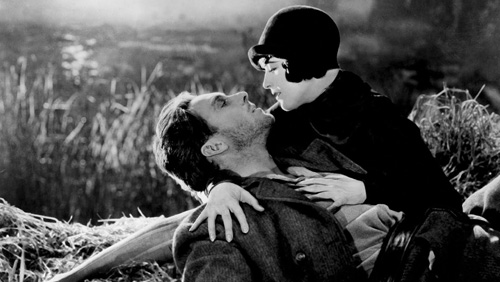
Diretores
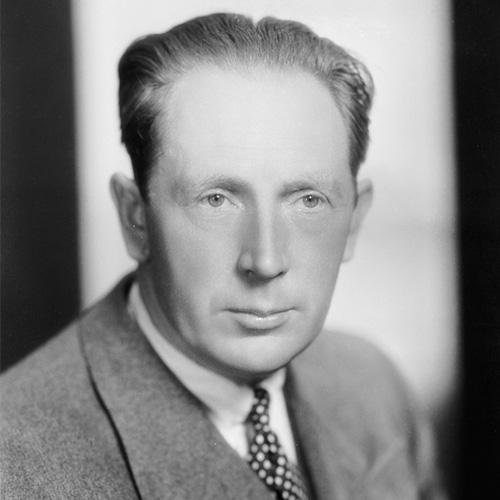
Friedrich Wilhelm Murnau
Born in Bielefeld, Germany, in 1889, Friedrich Wilhelm Murnau was one of the most important directors of the silent era and German Expressionism. He earned a degree in art history in Heidelberg, worked as an actor, and later as an assistant to the Austrian theater producer and director Max Reinhardt. He directed films that helped shape the language of cinema, such as "Nosferatu" (1922, 36th Mostra), "The Last Laugh" (1924), and "Faust" (1926, 23rd Mostra), works marked by his innovative use of the camera and the power of his visual grammar. He moved to the United States in the second half of the 1920s, where he made films such as "Sunrise" (1927) and "Tabu" (1931, 31st Mostra). Murnau died in a car accident in Los Angeles in 1931.


ABMIC - Associação Brasileira Mostra Internacional de Cinema © 2026 | Mostra de Cinema, Cultura e Eventos Ltda.